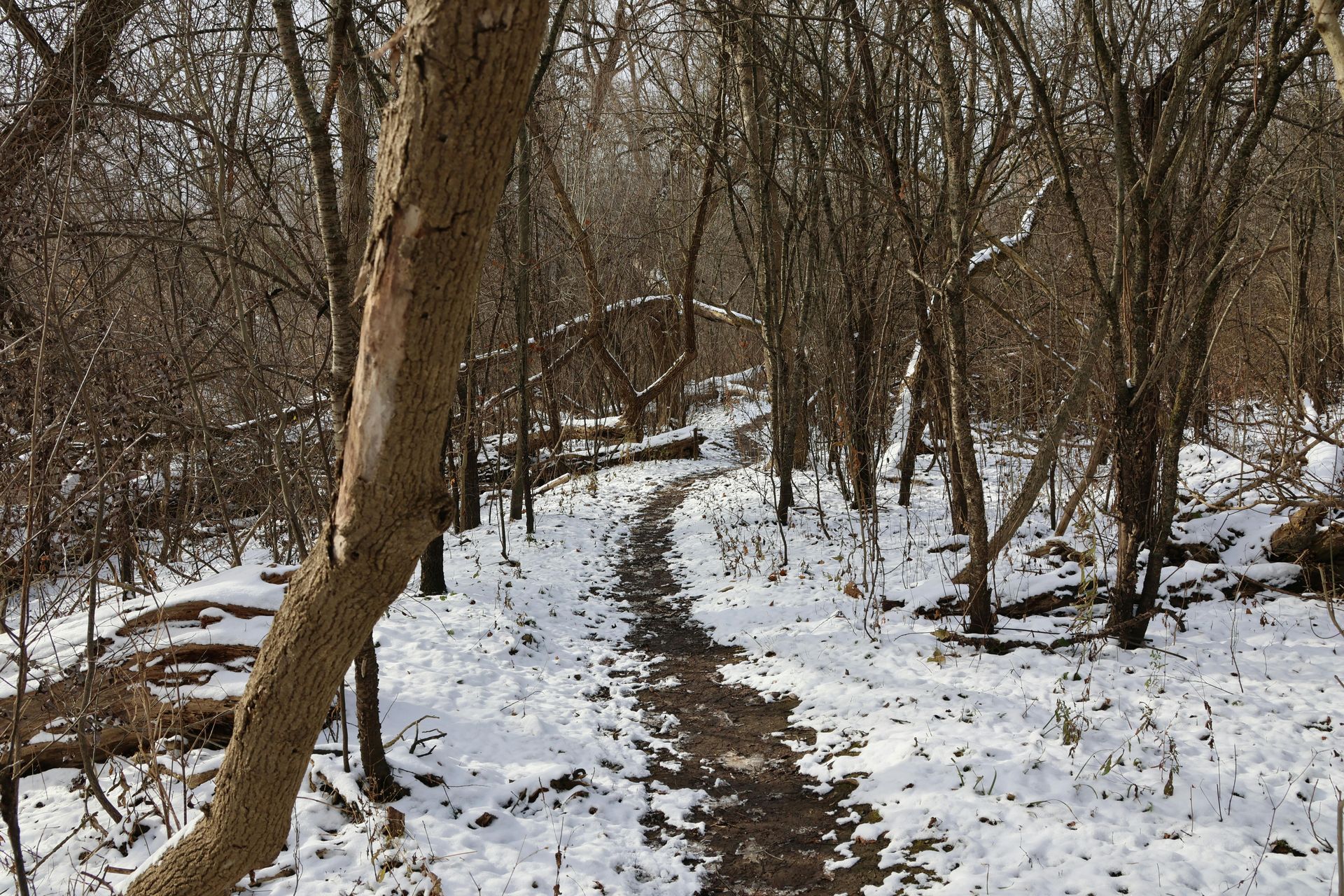
The Healing Power of Nature: Why Getting Outside is Essential for Mental Health

May is mental health awareness month
In today's fast-paced world, it's all too easy to get caught up in the hustle and bustle of daily life. From endless to-do lists to constant connectivity, many of us find ourselves feeling overwhelmed, stressed, and mentally drained. However, amidst the chaos, there exists a powerful antidote that has been proven time and again to soothe the mind, uplift the spirit, and restore balance: nature.
In recent years, there has been a growing body of research highlighting the profound impact that spending time outdoors can have on mental health and well-being. Whether it's a leisurely stroll through a park, a challenging hike in the mountains, mountain biking on Kingdom Trails or simply sitting beneath a tree and listening to the sounds of nature, immersing ourselves in the great outdoors offers a multitude of benefits for our mental and emotional health.
One of the most significant advantages of spending time in nature is its ability to reduce stress and anxiety. Studies have shown that exposure to natural environments can lower levels of cortisol, the body's primary stress hormone, while simultaneously promoting feelings of relaxation and calmness. Whether it's the soothing sound of running water, the gentle rustle of leaves in the breeze, or the sight of a vast open sky, nature has a unique ability to quiet the mind and ease tension.
Furthermore, spending time outdoors can have a profound impact on mood and overall mental well-being. Research suggests that regular exposure to nature is associated with lower rates of depression and improved mood regulation. The beauty and tranquility of natural landscapes can evoke feelings of awe, wonder, and gratitude, fostering a sense of positivity and emotional resilience.
In addition to its immediate effects on mental health, getting outside can also promote physical activity and social connection, both of which are crucial components of overall well-being. Whether it's going for a hike with friends, joining a community gardening project, or simply taking a walk around the neighborhood, outdoor activities provide opportunities for exercise, social interaction, and a sense of belonging—all of which contribute to improved mental health and quality of life.
Moreover, in today's digital age, where screens dominate much of our daily lives, spending time in nature offers a welcome respite from technology and constant connectivity. Disconnecting from devices and immersing ourselves in the natural world allows us to reconnect with ourselves, our surroundings, and the present moment, fostering mindfulness and a sense of inner peace.
As we navigate the challenges of modern life, it's essential to remember the healing power of nature and prioritize time outdoors for the sake of our mental health and well-being. Whether it's a brief walk in the park, a weekend camping trip, or simply sitting outside and soaking up the sunshine, each moment spent in nature offers an opportunity to rejuvenate the mind, replenish the spirit, and nurture a sense of inner peace. So, let's lace up our hiking boots, step outside, and embrace the healing embrace of the great outdoors.