Where to Go, What to Bring, and Why It’s for Everyone
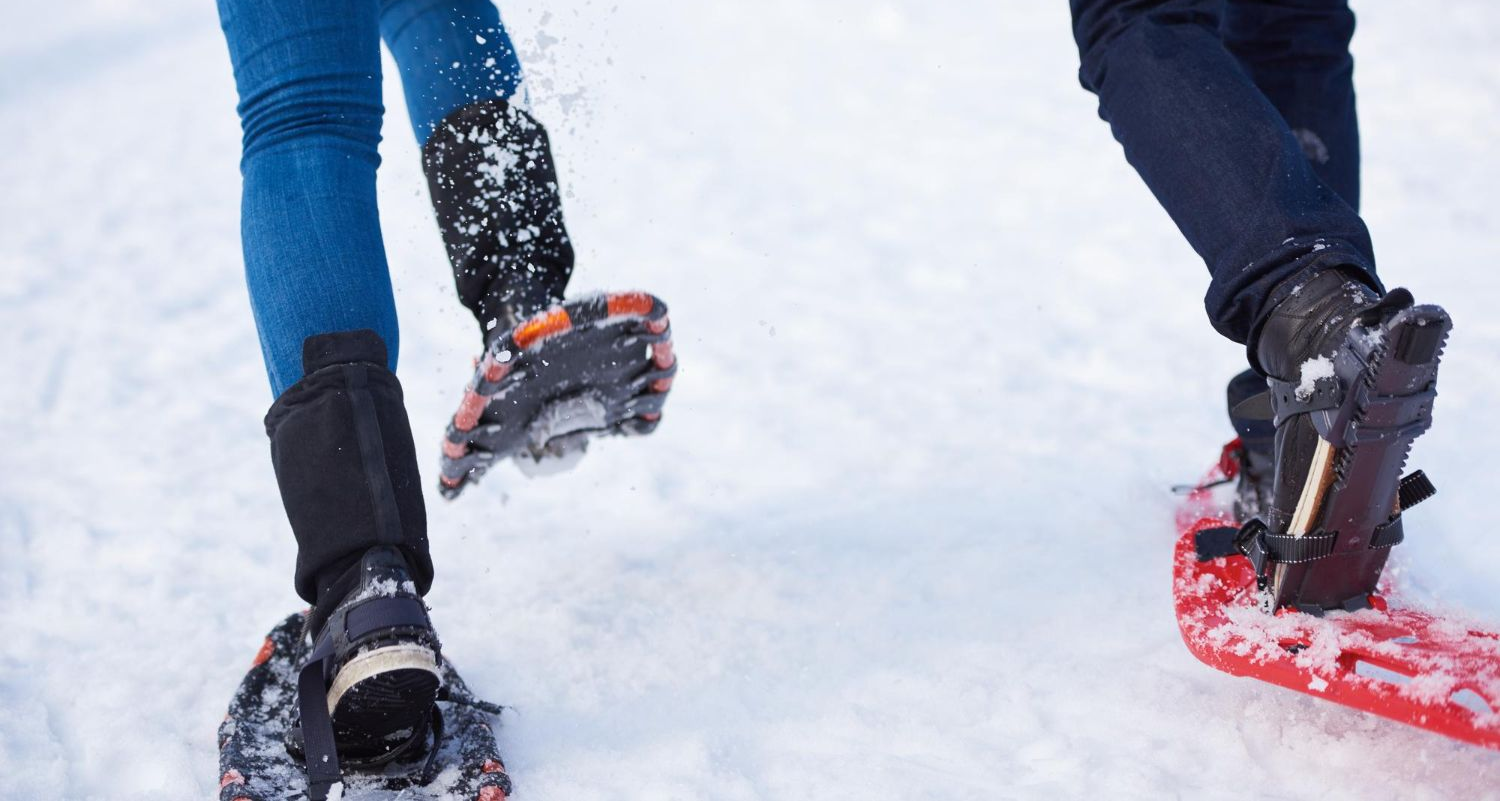
Snowshoeing is one of the best ways to experience winter in the Northeast Kingdom, and one of the most misunderstood.
You don’t need to be an athlete.
You don’t need expensive gear.
And you definitely don’t need prior experience.
What you do need is curiosity, warm layers, and a willingness to slow down.
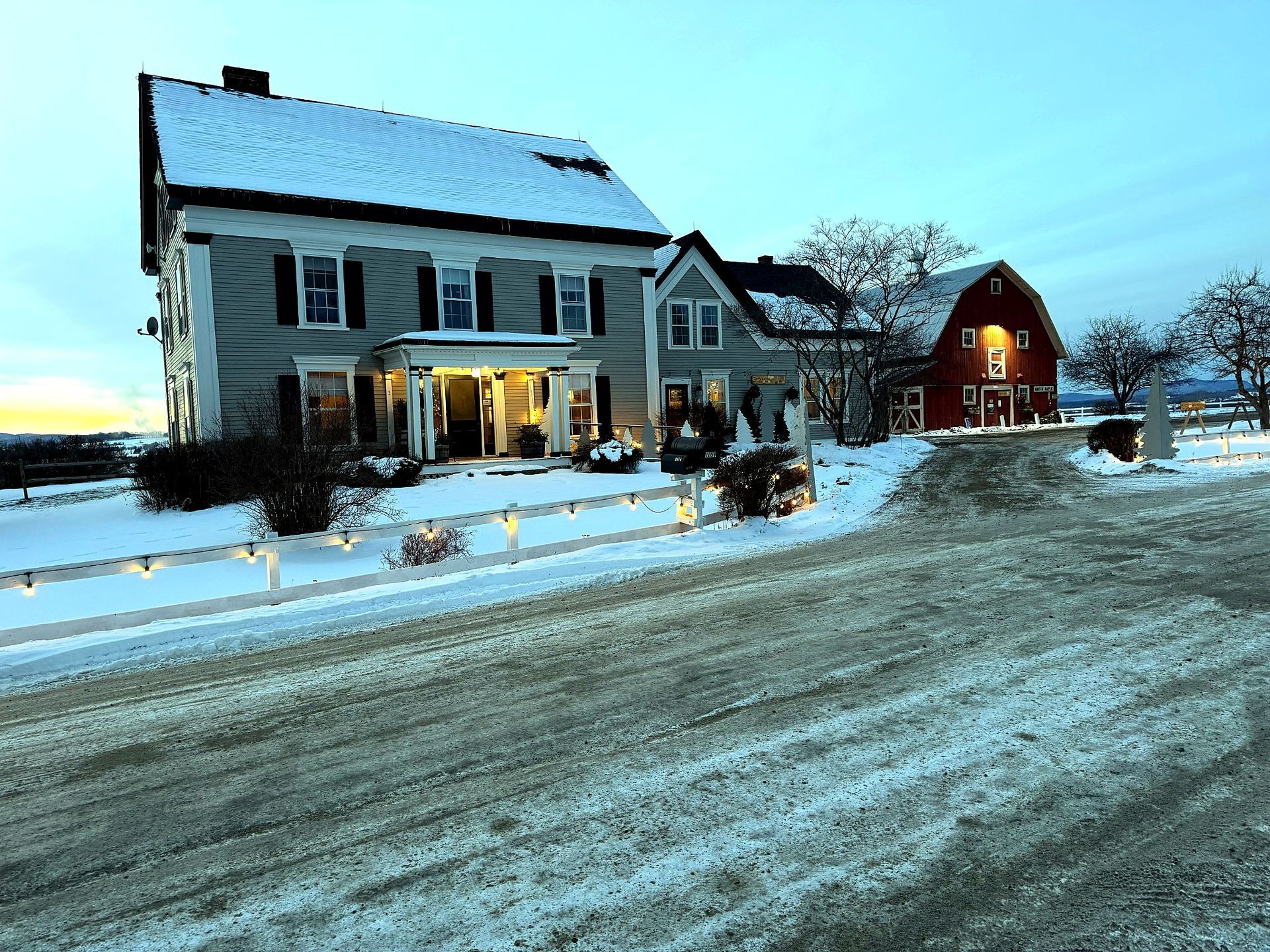
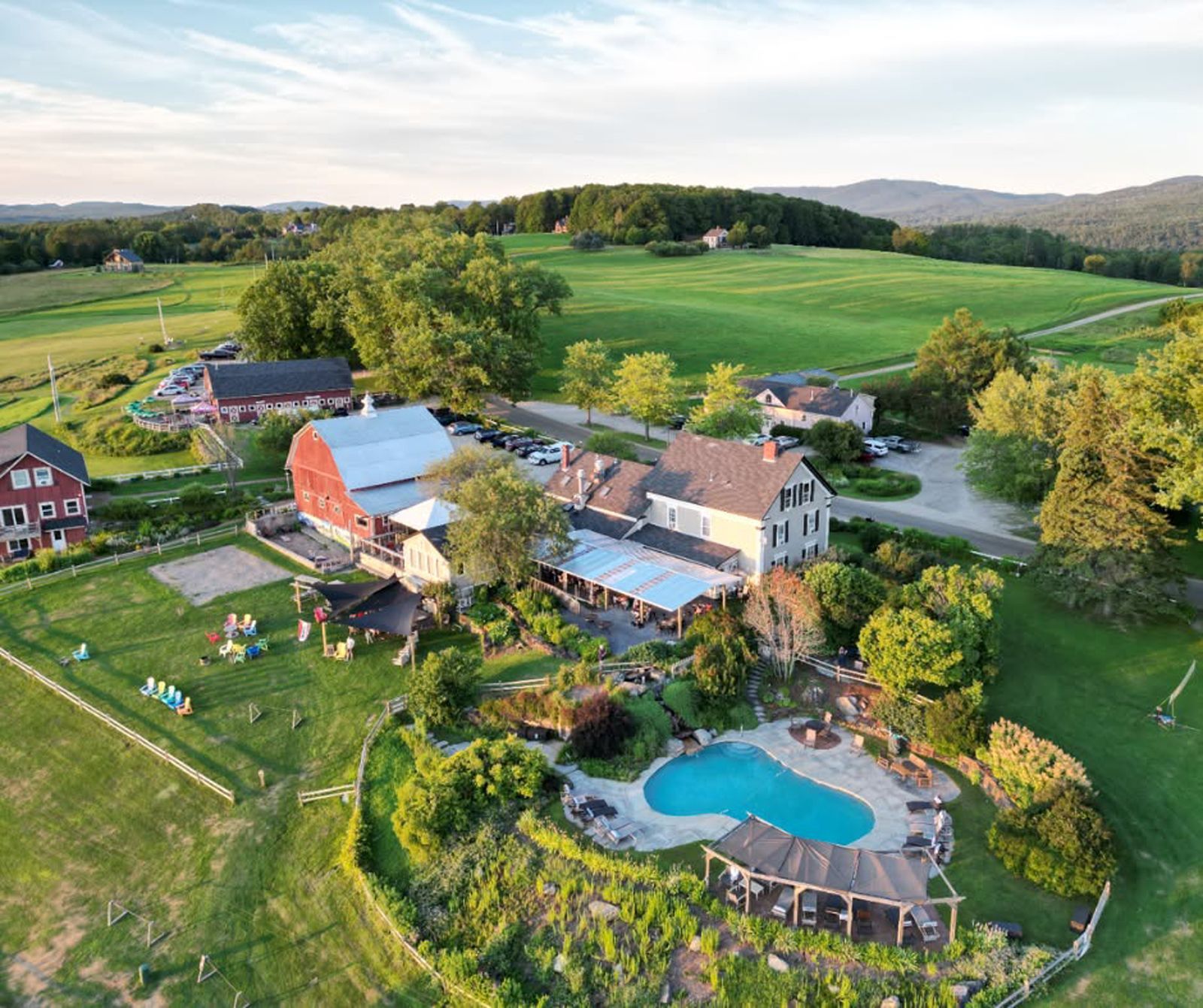
At The Wildflower Inn, snowshoeing is often the first winter adventure guests try, and the one they’re most surprised by.
Why Snowshoeing Works Here
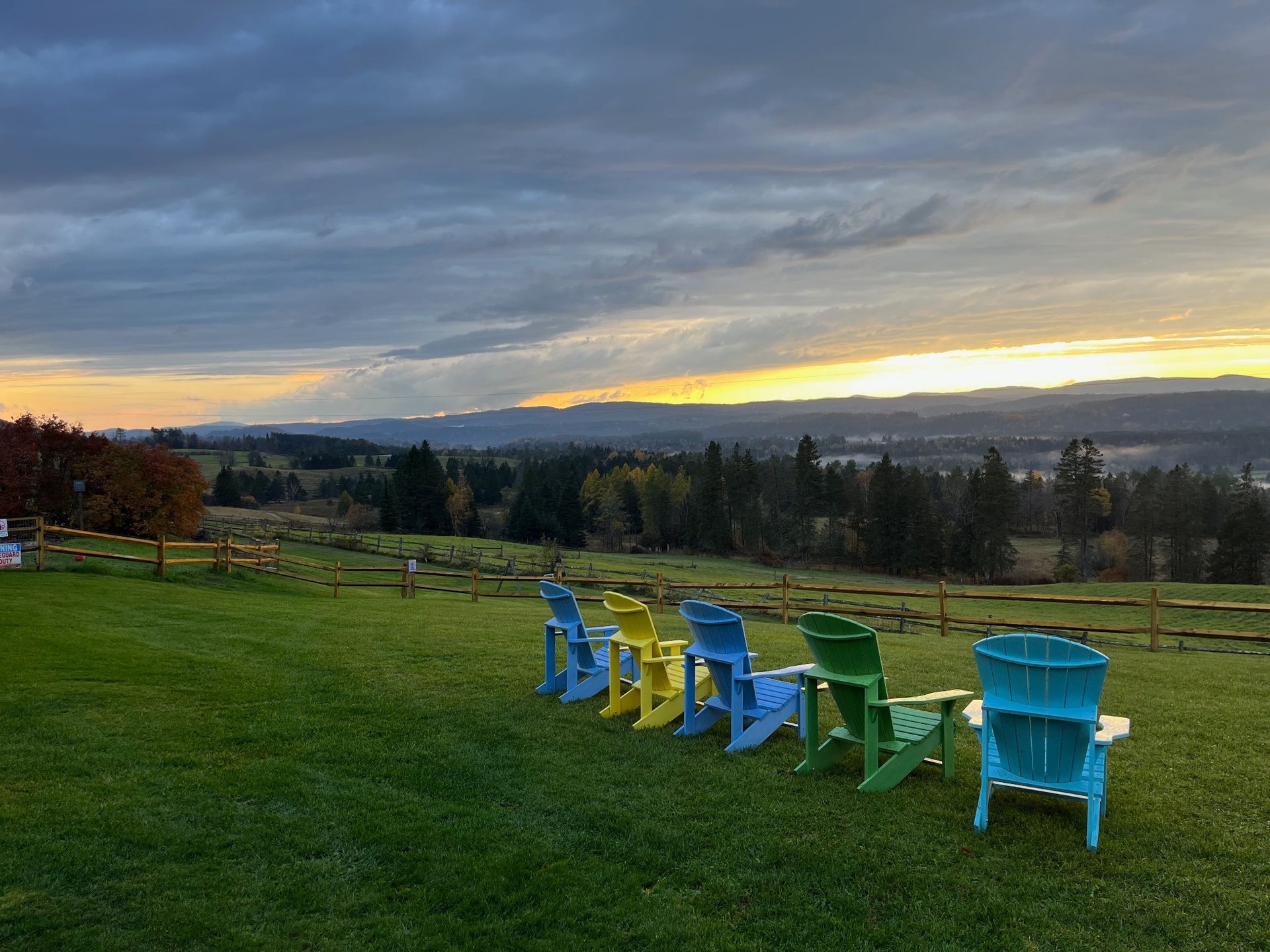
The NEK is uniquely suited for snowshoeing. Wide-open spaces, wooded trails, and a quieter winter season create an experience that feels peaceful rather than intimidating.
Snowshoeing here means:
- Gentle terrain mixed with scenic views
- Space to explore at your own pace
- A chance to really notice winter: the way snow muffles sound, the tracks in the woods, the light through bare trees
It’s less about distance and more about
presence.
Where to Snowshoe
One of the joys of snowshoeing is its flexibility. You can go far, or not far at all.
Guests at The Wildflower often enjoy:
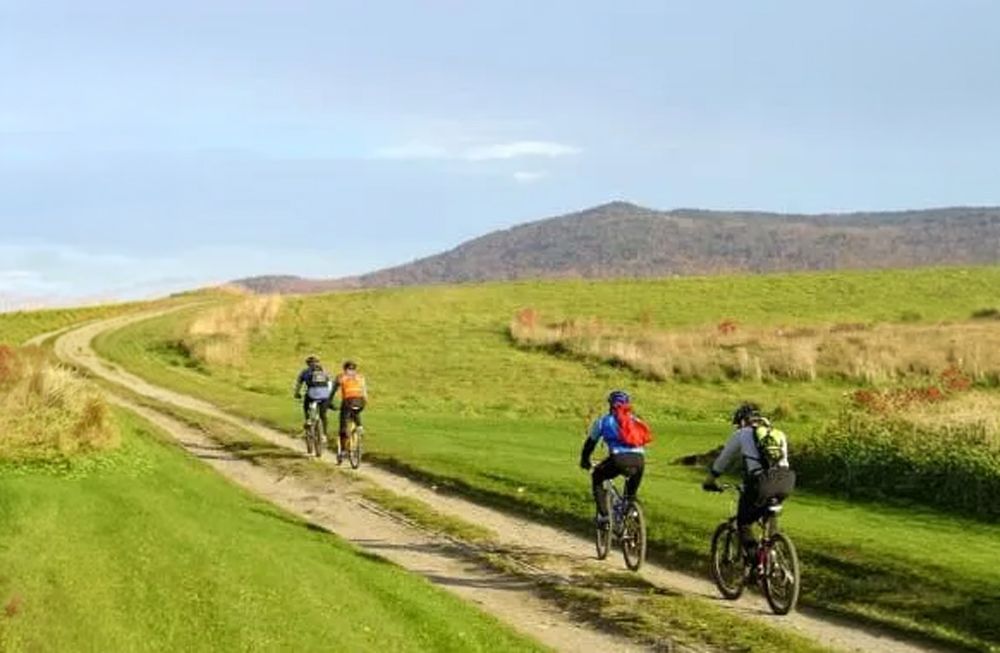
- Short loops for a quick morning outing
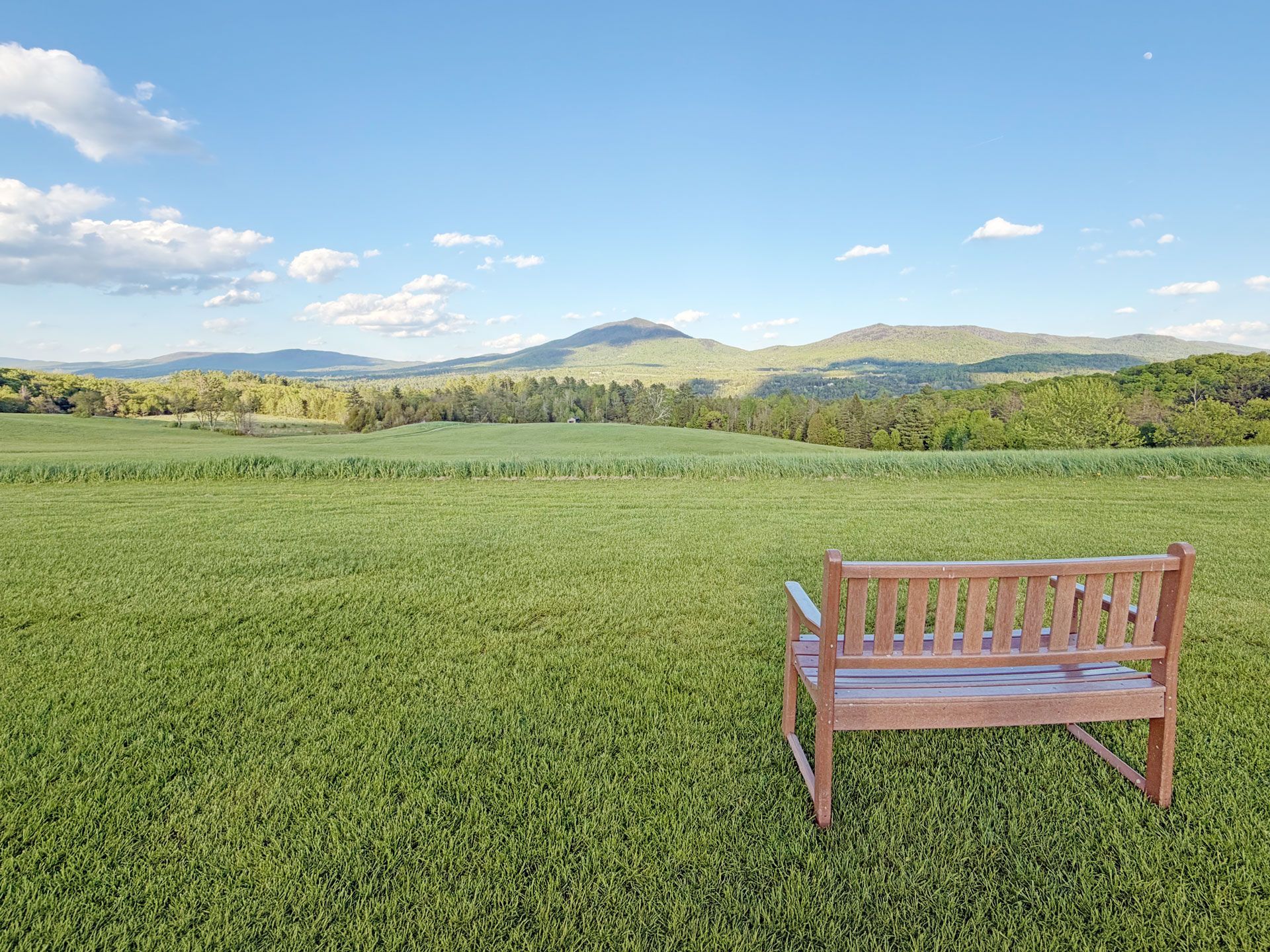
- Open fields for relaxed wandering
- Wooded trails that feel like stepping into another world
You don’t need to commit to a long trek. Even a half-hour outside can completely change the tone of your day.
What to Bring (and What You Can Leave Behind)
Snowshoeing doesn’t require a complicated packing list.
The essentials:
- Snowshoes (the right size for your weight and snow conditions)
- Waterproof boots
- Warm, breathable layers
- Gloves and a hat
- Water (you’ll be warmer than you expect)
Nice to have:
- Trekking poles for balance
- A small backpack
- A thermos for afterward
Leave behind:
Any pressure to go faster, farther, or harder than feels good.
A Few Local Tips for First-Timers
Snowshoeing is easy to start, but a little local knowledge goes a long way:
- Dress in layers: you’ll warm up quickly
- Take shorter steps than you would hiking
- Pay attention to changing weather
- Turn around before you’re tired, not after
Winter rewards those who plan conservatively and move intentionally.
Snowshoeing Is for Everyone
One of the best things about snowshoeing is how inclusive it is.
Families, couples, solo travelers: everyone can enjoy it together, even at different speeds. It’s not competitive. It’s not loud. And it doesn’t demand anything except your participation.
For many guests, snowshoeing becomes the highlight of their winter stay, not because it was extreme, but because it was
unexpectedly perfect.
From Trail to Table
After time outside, snowshoeing naturally leads to something even better: warming up.
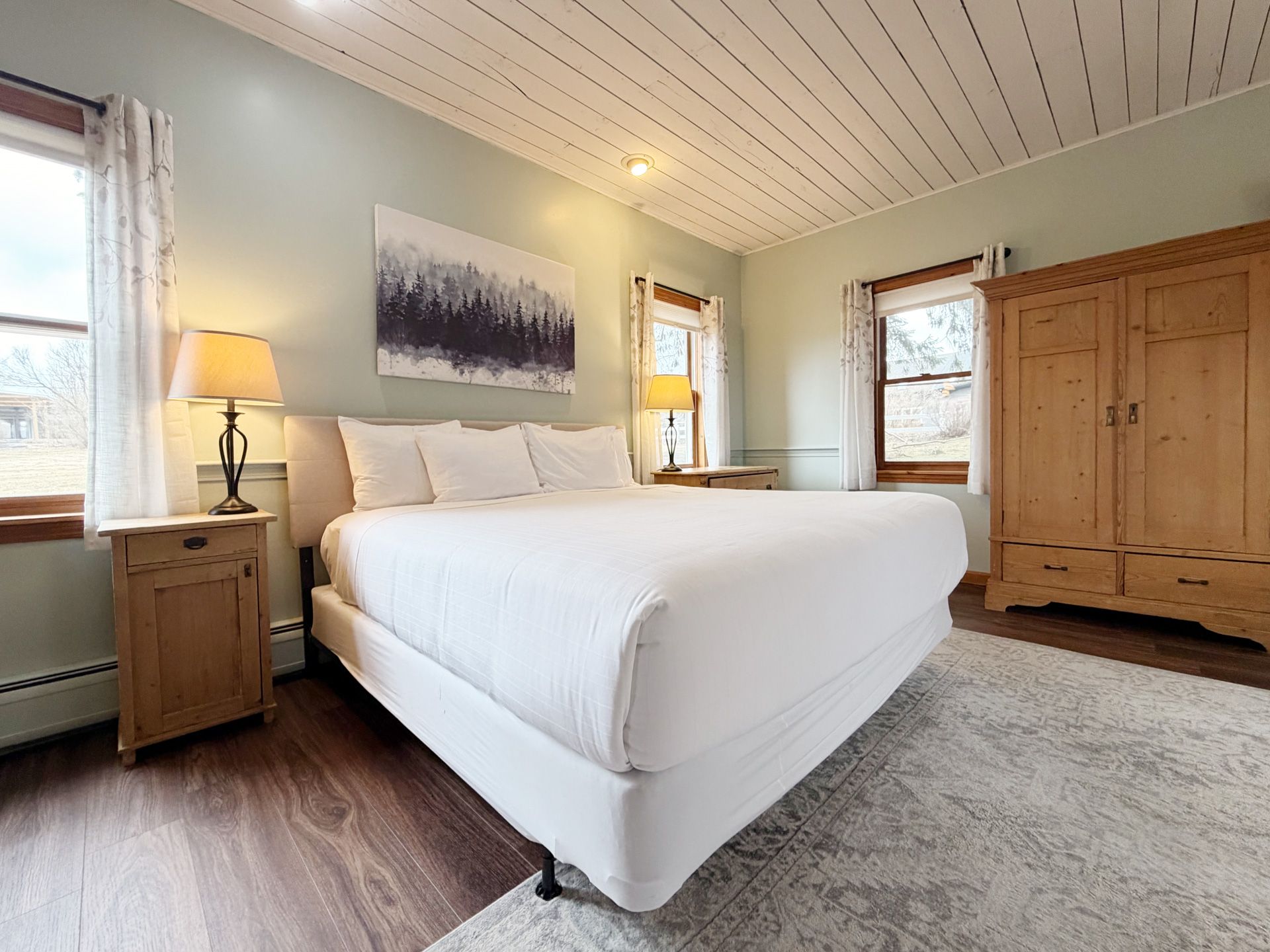
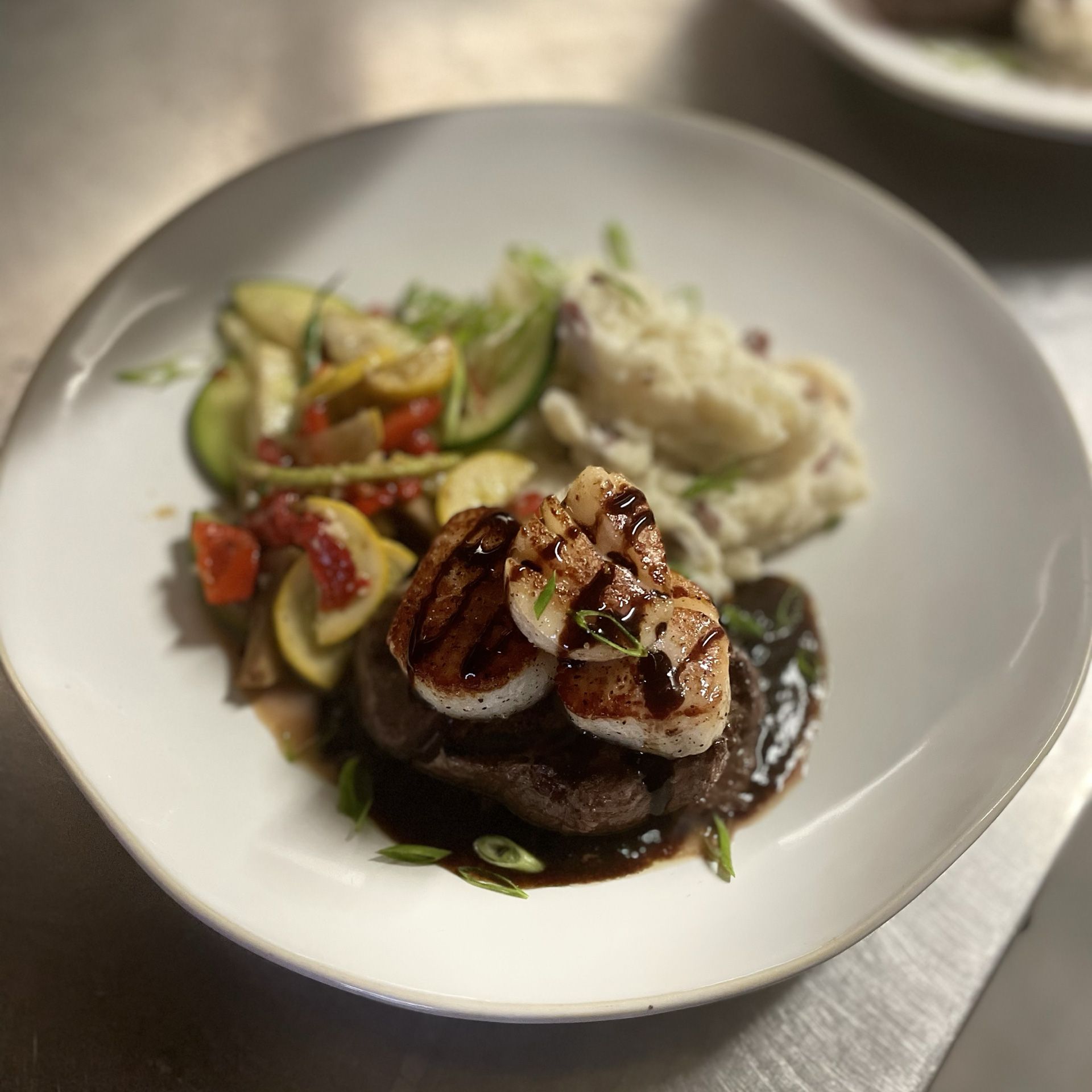
Cold air sharpens appetites, and there’s nothing like stepping back inside with rosy cheeks and tired legs, knowing a hot meal and a comfortable place to rest are waiting.
That’s winter at The Wildflower:
Adventure when you want it. Comfort when you need it.
Snowshoeing doesn’t ask you to conquer winter.
It invites you to move through it.
Stay Wild.